
Пинсян Вольмет Импортно-Экспортная Торговая Компания, Лтд. 萍乡市沃美特进出口贸易有限公司


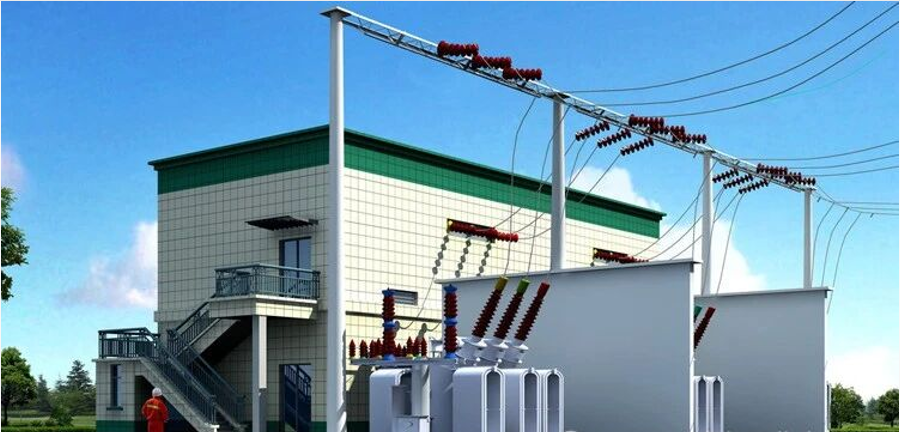
- What are the main components of an oil-immersed transformer?
A: The main components of a transformer include: core, windings, oil tank, oil conservator, breather, explosion-proof pipe, radiator, insulating bushings, tap changer, gas relay, thermometer, and oil purifier.
- What is a fully insulated transformer? What is a semi-insulated transformer?
A: Semi-insulation means that the main insulation of the windings closest to the neutral point of the transformer has a lower insulation level than that of the end windings. Conversely, a fully insulated transformer generally has the same insulation level for both the beginning and end windings.
- What is the main function of a transformer in a power system?
A: The function of a transformer in a power system is to transform voltage to facilitate power transmission. Step-up transformers reduce line losses, improve the economics of power transmission, and enable long-distance power transmission. Step-down transformers convert high voltage to the appropriate operating voltages required by users.
4.What are the hazards of bushing cracks?
A: Cracks in bushings reduce insulation strength, leading to further damage and eventually complete breakdown. Water in the cracks can also freeze and cause the bushing to burst. Therefore, bushing cracks pose a significant threat to the safe operation of transformers.
- What is the function of a high-voltage circuit breaker?
A: A high-voltage circuit breaker not only interrupts and connects the no-load and load currents in high-voltage circuits under normal conditions, but also works in conjunction with protection and automatic devices to quickly disconnect the faulty power supply, prevent the accident from escalating, and ensure the safe operation of the system when a system fault occurs.
- What is the function of a wave trap?
A: A wave trap is an indispensable high-frequency communication component for transmission and high-frequency protection. It prevents high-frequency current from leaking to other branches, reducing high-frequency energy loss.
- What are the uses of a current transformer?
A: A current transformer converts large currents into smaller currents according to a certain ratio, providing current for various instruments and relay protection, and isolating the secondary system from high voltage. It not only ensures the safety of personnel and equipment but also simplifies and standardizes the manufacturing of instruments and relays, improving economic efficiency.
- What are the different wiring methods for current transformers?
A: Current transformers can be wired in several ways: using two current transformers in a two-phase V-connection or a two-phase differential connection; or using three current transformers in a three-phase Y-connection, a three-phase Δ-connection, or a zero-sequence connection.
- What are the types of reactive power sources in a power system?
A: Reactive power sources in a power system include: synchronous generators; synchronous condensers; parallel compensating capacitors; series compensating capacitors; and static compensators.
- Why is it necessary to install a ZnO surge arrester between a power capacitor and its circuit breaker?
A: Installing a ZnO surge arrester prevents operational overvoltages that may occur during the opening and closing of the power capacitor, ensuring the safe operation of electrical equipment.